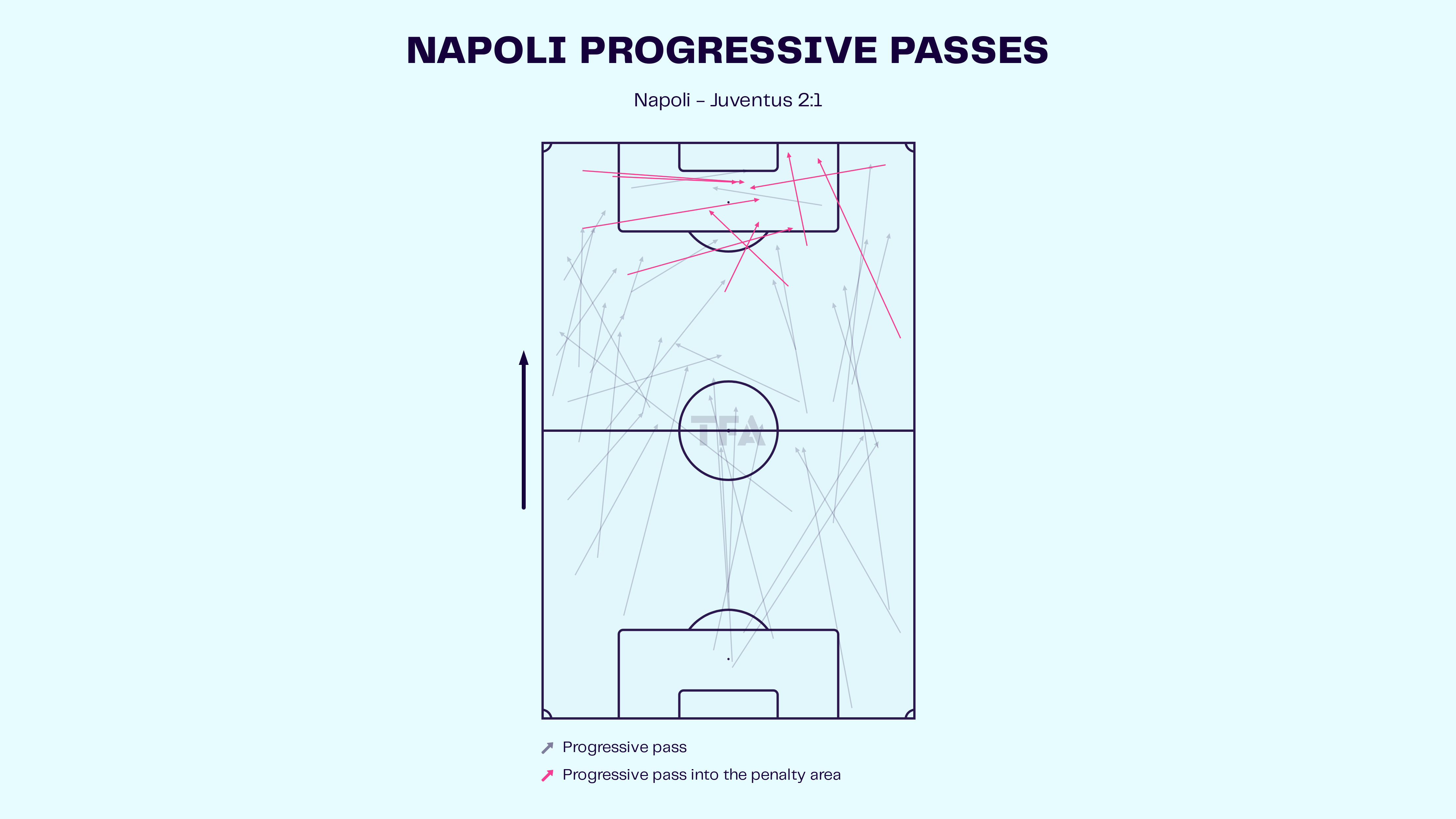

In a captivating Serie A clash, Napoli’s 2-1 victory over Juventus was not just a result of individual heroics, but a testament to the power of collective strength and tactical astuteness. While Juventus boasted individual talents, it was Napoli’s cohesive team play, tactical flexibility, and ability to execute their game plan that ultimately secured the win. This match served as a clear illustration of how a well-structured and coordinated team can overcome a side relying heavily on individual brilliance. Napoli’s victory was a calculated effort, demonstrating a deeper understanding of the game’s nuances and a capacity to adapt effectively, highlighting the importance of teamwork in modern football.
Juventus’ Individual Brilliance vs. Napoli’s Collective Approach
Juventus came into the match with a reputation for individual brilliance, relying on their star players to produce moments of magic. However, this reliance on individual skills often came at the expense of cohesive team play. On the other hand, Napoli’s strength lay in their ability to play as a unified unit, with each player understanding their role and contributing to the collective effort. This game showed how a team which relies on the efforts of everyone can defeat a team which relies on the talents of a few.
- Juventus’ Approach: Relied heavily on individual brilliance and moments of magic from their star players.
- Napoli’s Approach: Focused on cohesive team play, tactical astuteness, and a collective effort from all players.
Napoli’s Initial Struggles and Juventus’ Early Lead
The first half saw Juventus take an early lead, as they seemed to be in control of the game. Napoli struggled to break down Juventus’ defence, and their own defensive errors gave Juventus opportunities. Despite these difficulties, Napoli’s structure and commitment to their game plan were evident. This showed that Napoli would be a difficult team to beat, even if they were a goal behind.

- Early Difficulties: Napoli struggled to break down the Juventus defence and conceded an early goal.
- Juventus’ Control: Juventus took control early on in the game, seeming to be in a comfortable position.
Napoli’s Tactical Adjustments and Shift in Momentum

As the second half began, it became clear that Napoli had made tactical adjustments to counter Juventus’ approach. They started to dominate possession, and their movement off the ball became more fluid. This tactical shift allowed them to dictate the flow of the game, and to exploit the space that Juventus had given up. Napoli were able to show their ability to adapt, and this was an important factor in their ability to take the victory.
- Tactical Changes: Napoli made tactical adjustments that allowed them to gain control of the match.
- Improved Play: Napoli’s movement of the ball became more fluid, and they started to dominate possession.
The Equalizer and the Impact of Set Pieces

Napoli’s equalizer, scored by Zambo Anguissa, came from a set piece, highlighting the importance of tactical preparation and execution, which was a result of their effective game plan. The goal came as a result of a well-planned set-piece, demonstrating the attention to detail in Napoli’s training and tactics. This was a clear example of how their collective approach had a positive impact on their ability to score goals, not just from open play.
- Set-Piece Goal: Napoli’s equalizer was scored from a well-executed set-piece.
- Tactical Preparation: This showed the importance of tactical preparation and the collective effort of the team.
Juventus’ Defensive Vulnerabilities and Napoli’s Exploitation
Throughout the game, Juventus’ defence showed vulnerability, particularly in dealing with Napoli’s fluid attacks and set-pieces. Napoli exploited these vulnerabilities effectively, with players making intelligent runs and creating space for each other. This collective effort exposed the deficiencies of the Juventus defence and led to a penalty decision which was very important in the match.
- Defensive Struggles: Juventus’ defence struggled to contain Napoli’s fluid attacks and set-pieces.
- Exploiting Weaknesses: Napoli effectively exploited the defensive vulnerabilities of the Juventus team through coordinated attacks and movement.
The Decisive Penalty: Napoli’s Collective Pressure

The penalty awarded to Napoli was a result of sustained pressure and collective effort. McTominay won the penalty after being brought down, which was a result of a series of passes and a clear understanding of space. Lukaku’s composed penalty highlighted not just his ability, but also the ability of the whole team to create opportunities. The penalty showed that it was not just the skill of individual players, but also the collective effort of the team that was able to create the opportunity to score the goal.
- Penalty Awarded: The penalty came as a result of sustained pressure and collective effort.
- Collective Effort: The penalty resulted not just from an individual’s skill but also from the team’s effort.
Napoli’s Midfield Dominance and Tactical Flexibility
Napoli’s midfield played a key role in controlling the game, and this was evident throughout the second half. They demonstrated great positional awareness and made intelligent runs which allowed them to create space and win the ball back. The midfield was able to win back the ball and create chances for the forwards, demonstrating the importance of teamwork in the team’s victory.
- Midfield Control: Napoli’s midfield controlled the game through positional awareness and winning the ball back.
- Tactical Flexibility: Napoli demonstrated an ability to change their tactics in response to the challenges that Juventus posed.
Juventus’ Lack of Cohesion and Over-Reliance on Individuals
In contrast, Juventus appeared disjointed, often relying on individual moments of brilliance rather than a cohesive team effort. Their lack of tactical flexibility was evident as they struggled to adapt to Napoli’s approach. This over-reliance on individual ability showed that Juventus could not adapt to the challenges presented by Napoli.
- Disjointed Play: Juventus often appeared disjointed, relying on individual brilliance rather than a cohesive team effort.
- Lack of Adaptability: Juventus lacked the tactical flexibility to adapt to the changes that Napoli made during the game.
The Psychological Impact of Napoli’s Cohesion
Napoli’s cohesive team play had a clear psychological impact on Juventus, leading to frustration and errors. The Juventus players struggled to deal with the relentless pressure that Napoli put on them, and this helped to allow Napoli to get in front and win the match. The game was a clear example of how a team that works together is more powerful than a team that relies on the skill of individuals.
- Psychological Impact: Napoli’s cohesive play had a clear psychological impact on Juventus, leading to frustration and errors.
- Relentless Pressure: The constant pressure from Napoli put the Juventus players under stress, forcing them into mistakes.
Napoli’s Defensive Solidity and Teamwork

Napoli’s defence, while initially under pressure, showed their ability to work together as the game progressed. They were able to win the ball back and clear it away from danger, which is an example of their understanding of each other’s roles and responsibilities. Their defensive performance demonstrated how teamwork and a strong defensive structure can make a big difference to a team’s chances.
- Defensive Teamwork: Napoli’s defence demonstrated teamwork and understanding as the game progressed.
- Solid Structure: Their solid structure made it difficult for Juventus to create clear-cut scoring opportunities.
The Importance of Tactical Discipline
Napoli’s victory was a display of their tactical discipline, and the ability of the team to stick to the game plan. Every player had a clear understanding of their role and responsibilities, and this helped them to create opportunities to win the game. The game showed that the team was well-drilled, with every player understanding what was expected of them.
- Tactical Discipline: The team displayed a clear sense of tactical discipline and a collective understanding of their roles.
- Stick to Game Plan: Every player understood their responsibilities and worked hard to ensure the success of the team.
Strategic Substitutions and Fresh Energy
Napoli’s substitutions also played a key role in maintaining their momentum and creating opportunities to score. These tactical substitutions brought fresh energy and helped to maintain the team’s control over the game. This showed the importance of the tactical knowledge of the manager, who was able to use the players on the bench to great effect.
- Strategic Substitutions: Napoli’s substitutions brought fresh energy and helped to maintain their momentum.
- Tactical Acumen: The substitutions demonstrated the tactical knowledge of the manager, and his ability to use the bench effectively.
Conclusion: The Triumph of Collective Strength
Napoli’s victory over Juventus was a triumph of collective strength and tactical planning. While Juventus may have had individual stars, it was Napoli’s cohesive team play, and ability to adapt that allowed them to take the win. The match served as a reminder that a well-organized and tactically astute team can overcome a side reliant on the talents of individuals. Napoli’s success was a clear example of how planning and preparation can lead to success, and it was also an example of how a strong team spirit can give a team the edge over their opponents.
In conclusion, this match highlighted the importance of team spirit, tactical planning, and the ability to adapt. Napoli’s win was a victory for their collective strength, and it was a good demonstration of how preparation and planning can have a major impact on the outcome of a match. The game showed that a team can succeed through hard work, planning, and a strong team spirit.
Visuals via TFA data viz engine